Sand in the Coffee, Vol. 19: how to read the Gulf before you ever touch the water
Cup’s poured. Come sit. We need to talk about the water.
You drove however many hours to get here, you dropped real money on that condo, and in about forty-five minutes you’re going to walk straight into the Gulf without looking at it first. I’ve watched it happen ten thousand times. And I want better for you.
Last week in Vol. 18 we talked about how to read a menu like you belong here. Today we go one layer deeper — literally. The Gulf of Mexico is the most beautiful thing on this stretch of coast and also the most misread. Learning to look at it before you get in it is the single most local thing you can do. Check live conditions first, every single morning. That’s your baseline. But the flag system is only the beginning.
The flag is not the whole story
Green flag does not mean “go play in traffic and you’ll probably be fine.” It means conditions are within an acceptable range. The Gulf is still the Gulf. In June, the water is warm enough that people get careless — and careless is where things go sideways.
Watch the surface for a full minute before you wade past your knees. If you see a long, narrow lane of water that looks slightly darker, choppier, or moving in a direction nobody else is moving — that’s a rip current forming or already running. It’s not pulling you down. It’s pulling you out. If you get caught, swim parallel to shore until you’re clear of it, then swim in at an angle. Do not swim straight at the beach against it. You will lose.
What the color is telling you
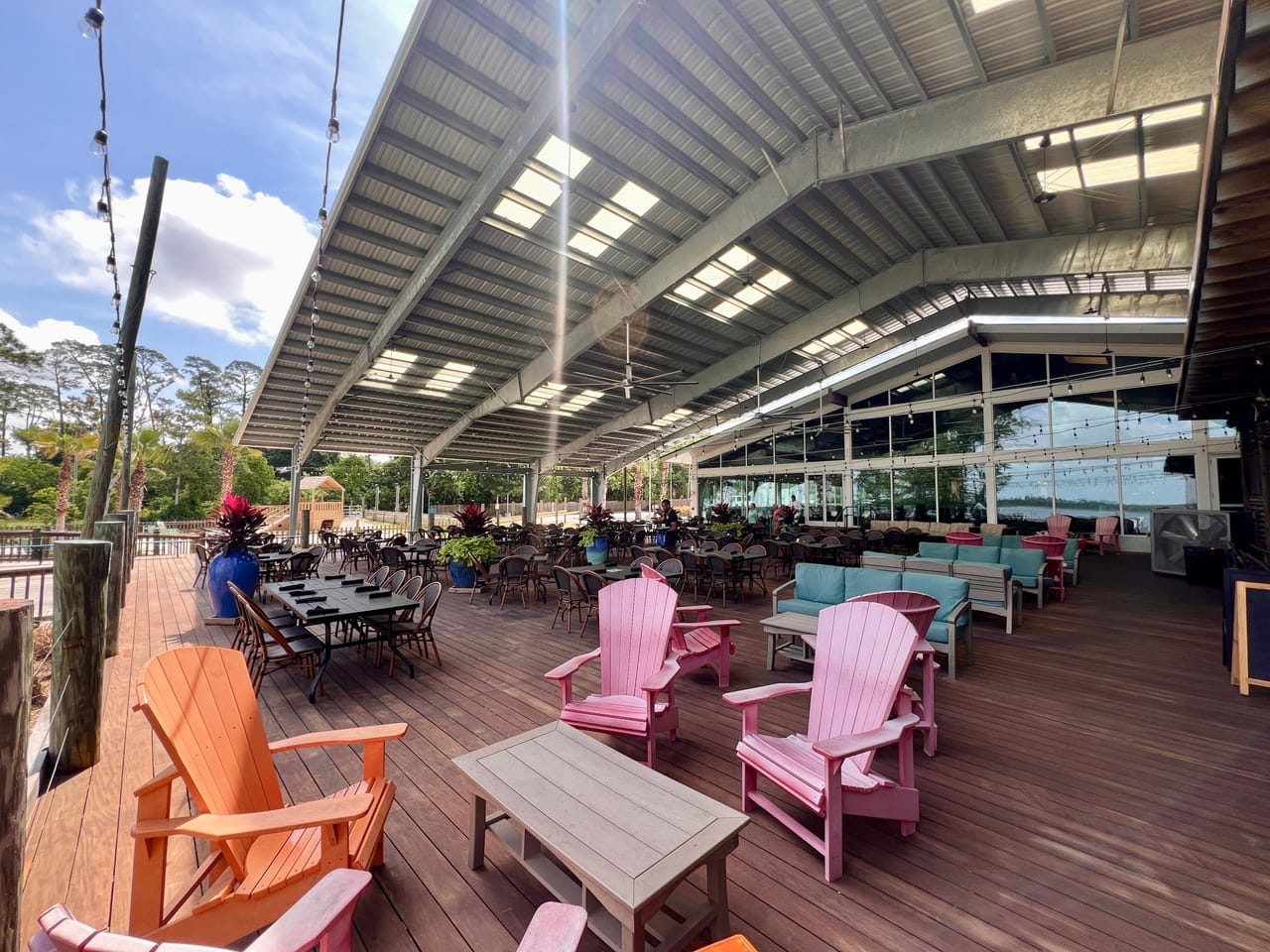
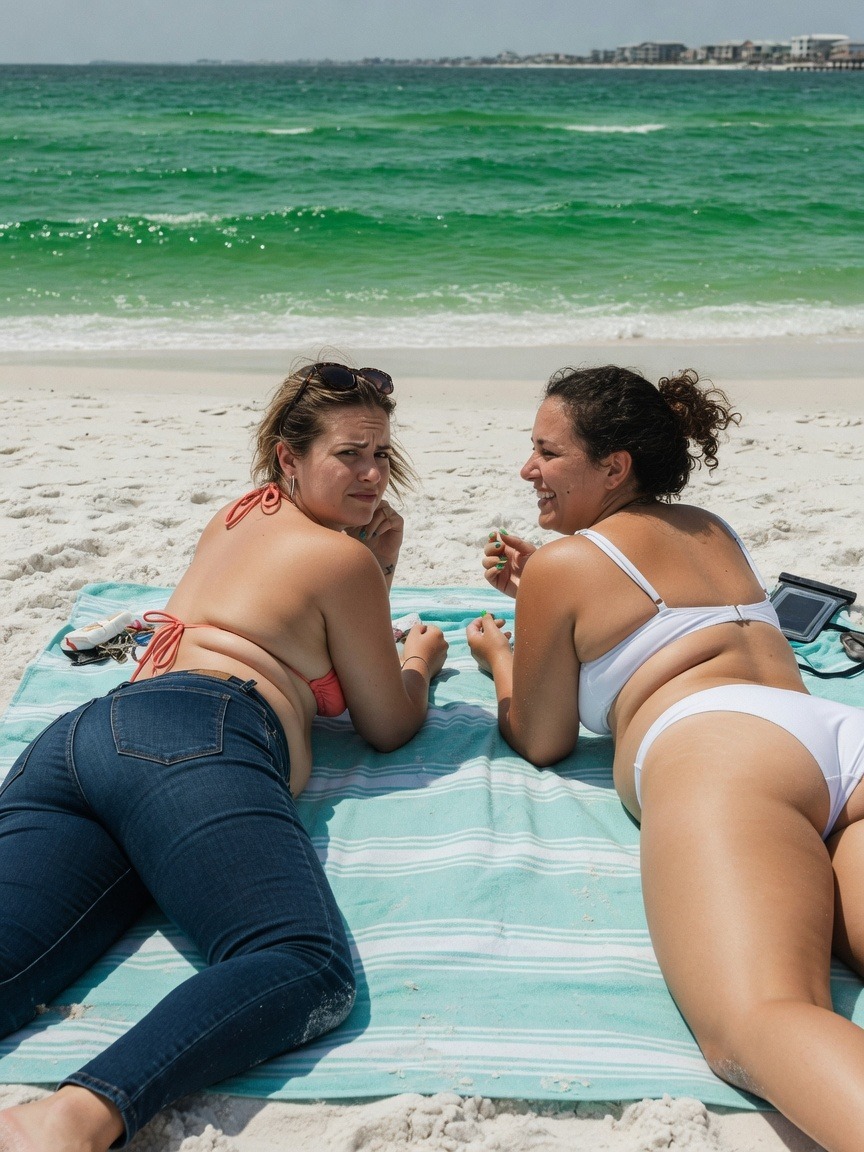
Locals read the water color like a mood ring. Emerald and clear with a sandy bottom visible? Perfect. That’s the Gulf you came for. Brownish-green with a murky tint? There’s been recent rain or wind churn stirring up the bottom — not dangerous, just less pretty. Milky green with a whiff of something? Seagrass is breaking down offshore. Still swimmable, but maybe that’s the afternoon to go walk Big Lagoon State Park or grab a table at GTs On The Bay and let it settle.
And if you see a rust-brown bloom near the surface with a tinge toward red? Check the county advisory before you swim. That’s something else entirely, and your eyes and throat will tell you before the day is over.
The sandbars are your friends — if you respect them
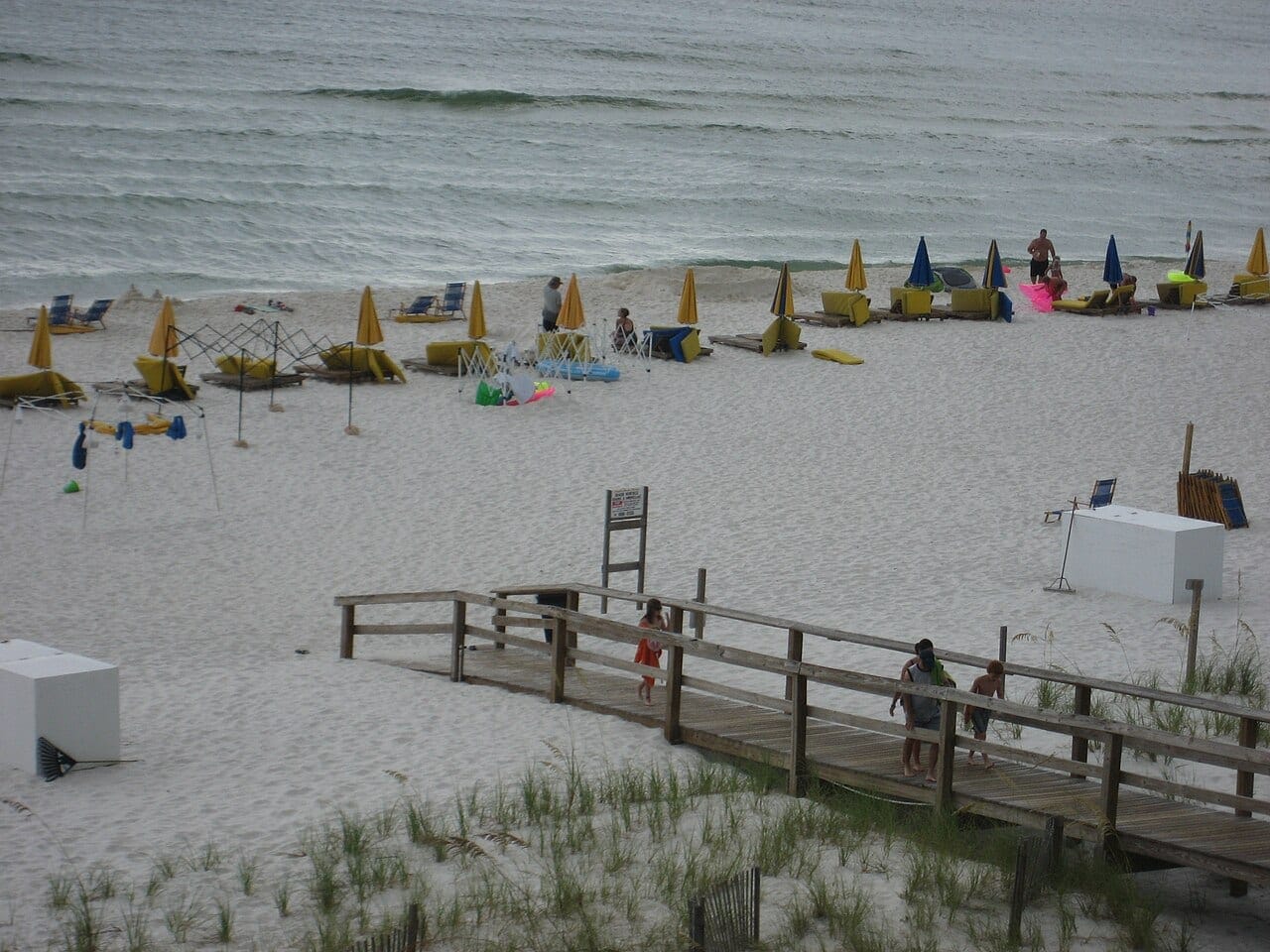
In June, the sandbars off Perdido Key and the Alabama beaches are close to the surface and shifting. That second sandbar, the one farther out — that’s where the confident guys always want to swim. That’s also where the bottom drops off abruptly on the Gulf side. Kids especially: keep them between the shore and the first bar. Perdido Key State Park has some of the clearest water on this whole stretch precisely because the beach is less developed and the bottom stays sandy and flat longer. It’s worth the drive if you’ve got a water-nervous kid.
The morning read, every day
Here’s the actual local habit. Before coffee hits the car, you pull up beach-today and you look. Then — if you’re within sight of the water — you stand there for sixty seconds and watch. Not your phone. The water. You’re looking for surface texture, color, any discoloration, and how the waves are breaking. Waves breaking close together near shore mean the sandbar is high. Waves breaking farther out with whitecaps mean something’s running underneath. None of this takes a degree. It just takes sixty seconds and the willingness to actually look.
The Gulf rewards the people who pay attention to it. Wander into it blind and it’ll remind you, eventually, that it was here long before the condos were.
Go look at it first. The Crab Trap isn’t going anywhere, the Sandshaker will open when it opens, and the water will still be there after sixty seconds of observation. Be the person who looked.
Wave when you pass. — Chris