Sand in the Coffee, Vol. 103: the early walk, and what the tide leaves for whoever gets there first
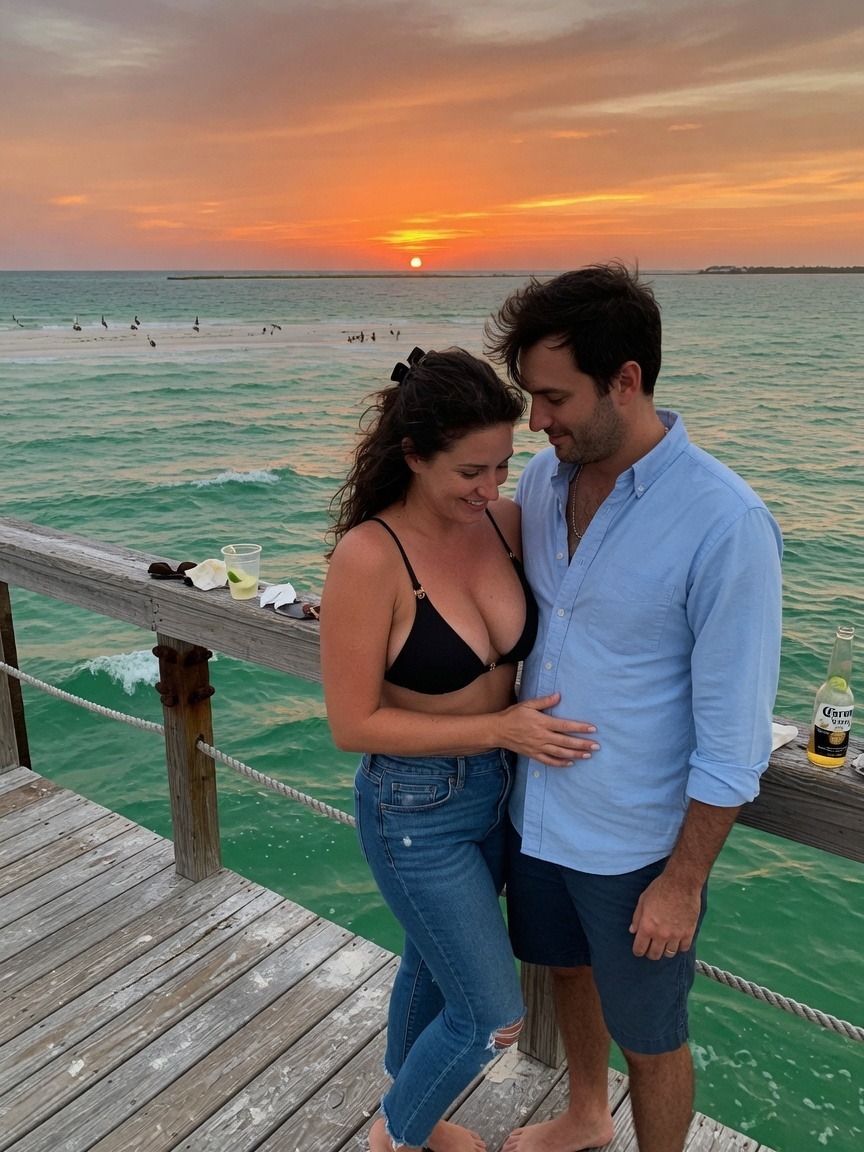
Set an alarm tonight you’ll resent and thank by Sunday. Somewhere around six-forty, before the first chair caravan rolls out and while the Gulf is still doing its glassy, slick-calm impression — flat, oily-looking, not a breath of wind on it — the beach quietly turns into the best version of itself. And almost nobody is on it.
Here’s the myth worth busting in one sentence: the beach does not hide the good stuff overnight and dole it out to whoever wakes up first. The tide reshuffles the deck every few hours and lays it all out on the wet sand. The people who get the whole shells and the sea glass aren’t lucky. They’re just early, and slightly rude to their own alarm clock.
go at the bottom of the tide
Two things decide a beach walk: the tide and the weather that came through before it. Low tide uncovers the most beach and the widest tide line, so check the chart on /beach-today/ the night before and aim for the hour or two around low water. And the morning after a front or a blow is the jackpot — a night of wind and surf tears things loose offshore and stacks them on the sand by dawn. Get down there by seven; you want to be walking while the light’s still low and long, and definitely before nine, when the umbrellas go up and the beach gets its foot traffic back. If you’re not sure it’s even worth the alarm, glance at the cam first — you can read the water flat or churned-up from bed.
what the wet line hands you
The swash line — that dark, damp ribbon where the last wave reached and then pulled back — is where everything collects. Walk it slowly, eyes down, and let the retreating water do the sorting for you. You’ll find scallops and augers and the occasional whole conch after a real blow; sea glass sanded soft and cloudy; now and then, if your eye is trained, a small dark shark tooth (honest truth: they’re around here, just not thick the way they are down at Venice — finding one is a genuine little event). Bring a mesh bag so the sand falls out instead of riding home in your pocket.
One rule nobody posts on a sign: if a sand dollar is fuzzy and brownish-purple, it’s alive — put it back in the water. Only the bleached, chalk-white ones are yours to keep. Same goes for any pretty shell that turns out to have a resident. Flip it, check for a tenant, and if someone’s home, they keep the house.
who you’ll meet out there
The dawn crowd is small and unbothered: the metal-detector guy sweeping yesterday’s blanket lines, the couple who walk all the way to the Pass and back like it’s a commute, a fisherman or two. And on a September morning, the dolphins are usually working the bait in close, because the water’s still busy this time of year. Nobody out there is in a hurry. A nod is the entire conversation, and that’s the point of going at seven instead of noon.
where to point the car
On the Florida side, Johnson Beach at the far end of Perdido Key Dr is the long, undeveloped haul — the schools push right up onto the bar and the tide line runs for a mile. Perdido Key State Park works too, and if you want a completely different haul, the bay side at Big Lagoon collects smaller, more delicate shells in calmer water. Orange Beach readers, don’t drive west for this — the public accesses out toward Perdido Pass and the wide, walkable sand at Gulf State Park in Gulf Shores hand you the same early-morning tide line on your own side of the state line.
The beach isn’t rationing anything. It resets every tide and puts the day’s best out in plain sight for a few quiet hours before the crowd arrives. All it asks is that you be there for it. Set the alarm.
Yesterday’s column was the mullet run — the other reason the water’s been putting on a show lately.
— Chris
P.S. Know a restaurant, charter, shop, or event we’re missing? Add it — free, Florida side or Alabama side: /submit/