Sand in the Coffee, Vol. 18: how to read a restaurant menu like a local
Cup’s poured. Pull up a chair. We need to talk about the menu sitting in front of you.
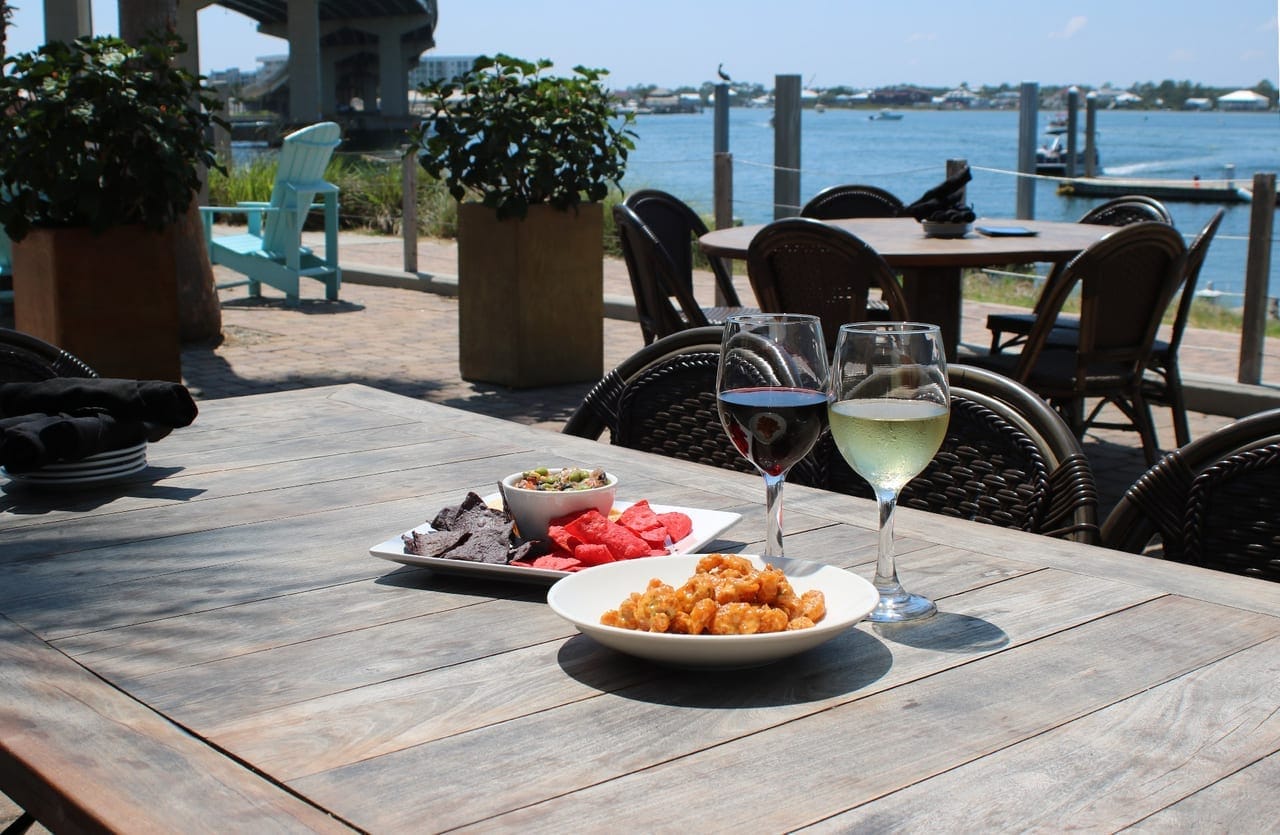
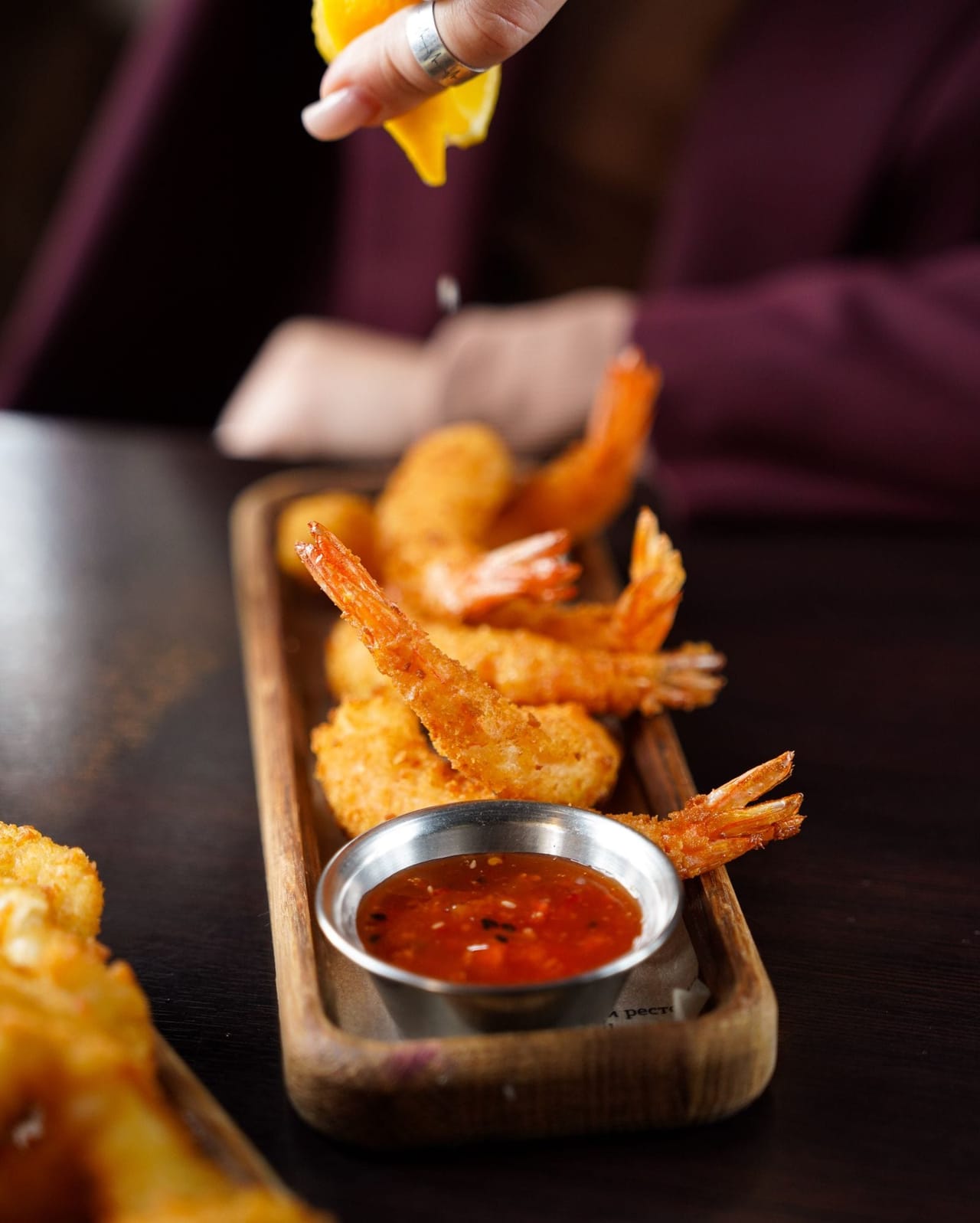
You drove however many hours to get here. You want the seafood experience — the one you’ll describe to people back home for three weeks. And then you sit down, squint at a laminated card the size of a road atlas, and order the first thing that sounds beachy. Fried shrimp platter. Fine. Respectable. But you left a lot on the table, and I mean that literally.
If you missed last week, Vol. 17 was about not being that person at the beach access. Today we’re talking about not being that person at the restaurant.
The “Fresh Catch” Line Is the Most Important Line
Every place worth its salt on this stretch will tell you what came off a local boat that day. Ask. That’s it — just ask your server what’s fresh. Not “what’s good,” because they’ll point you at the high-margin item. Ask what came in today, or what the kitchen is excited about. A good server at a place like Doc’s Seafood Shack or Cosmo’s Restaurant & Bar will tell you straight. A mediocre one will shrug, and that’s information too.
June on this coast means the local shrimp season is running warm and the red snapper is about as good as it gets. That’s what you’re here for. Not the grouper sandwich that arrived frozen on a Tuesday.
Gulf vs. Gulf — Know the Difference
Here’s the thing nobody puts on the menu: “Gulf shrimp” is a legal designation, not a guarantee of where your shrimp swam last week. It can mean product from anywhere in the Gulf of Mexico, including overseas-processed stuff that touched the Gulf once during import paperwork. What you want to ask is whether it’s local Gulf shrimp, caught by a boat running out of somewhere like Orange Beach Marina or Zeke’s Landing Marina. When it is, you’ll know the difference the moment it hits your mouth. Sweeter. Firmer. No weird waterlogged texture.
Same goes for oysters. If they’re from Apalachicola or Murder Point, say so, they’ll say so. If the menu just says “Gulf oysters” with no origin, ask. A place like Salty Pearl Raw Bar that takes its raw bar seriously will have an answer.
Grilled Is Not the Compromise You Think It Is
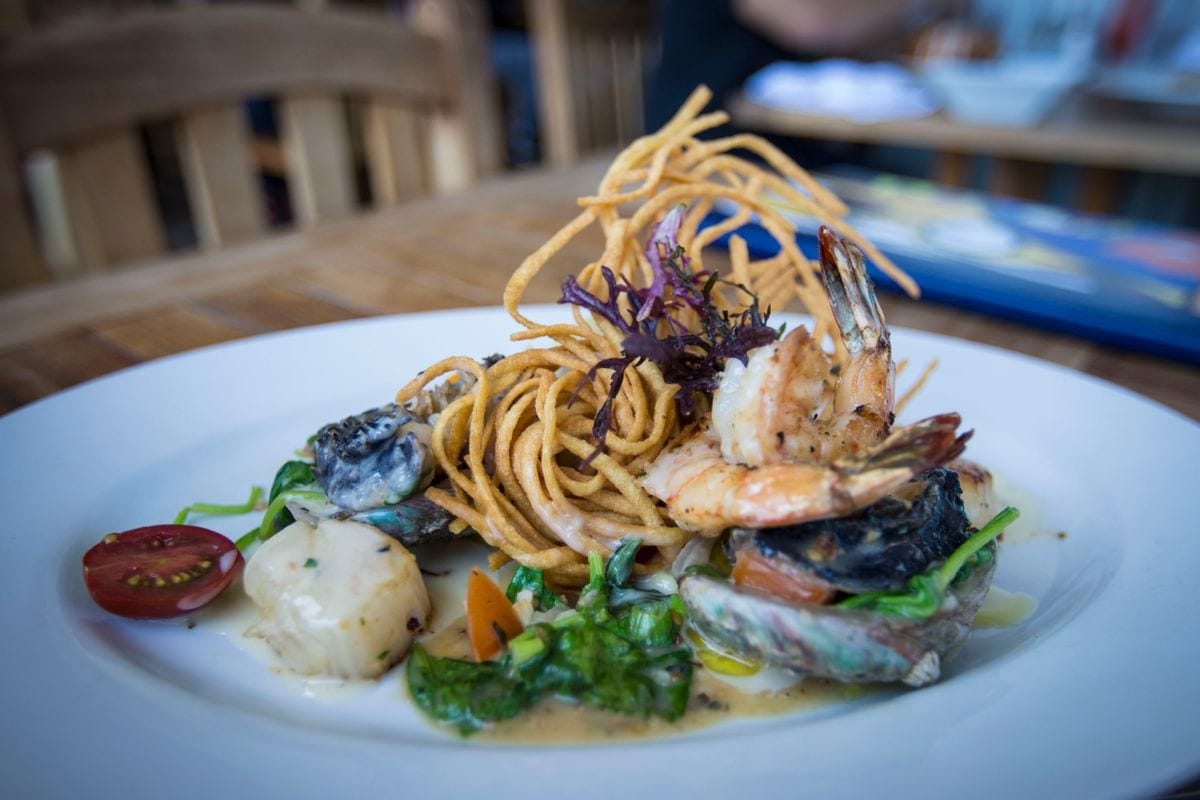
Somewhere along the way, tourists started ordering fried because it felt coastal and ordering grilled because it felt responsible, and both camps are missing the point. Blackened is what you want. It’s the coastal preparation that actually does something interesting — a heavy cast-iron crust, local spice, high heat. Order your fish blackened at least once on this trip. The Louisiana Lagniappe does beautiful things to a fish filet this way. So does Cobalt The Restaurant when they feel like it.
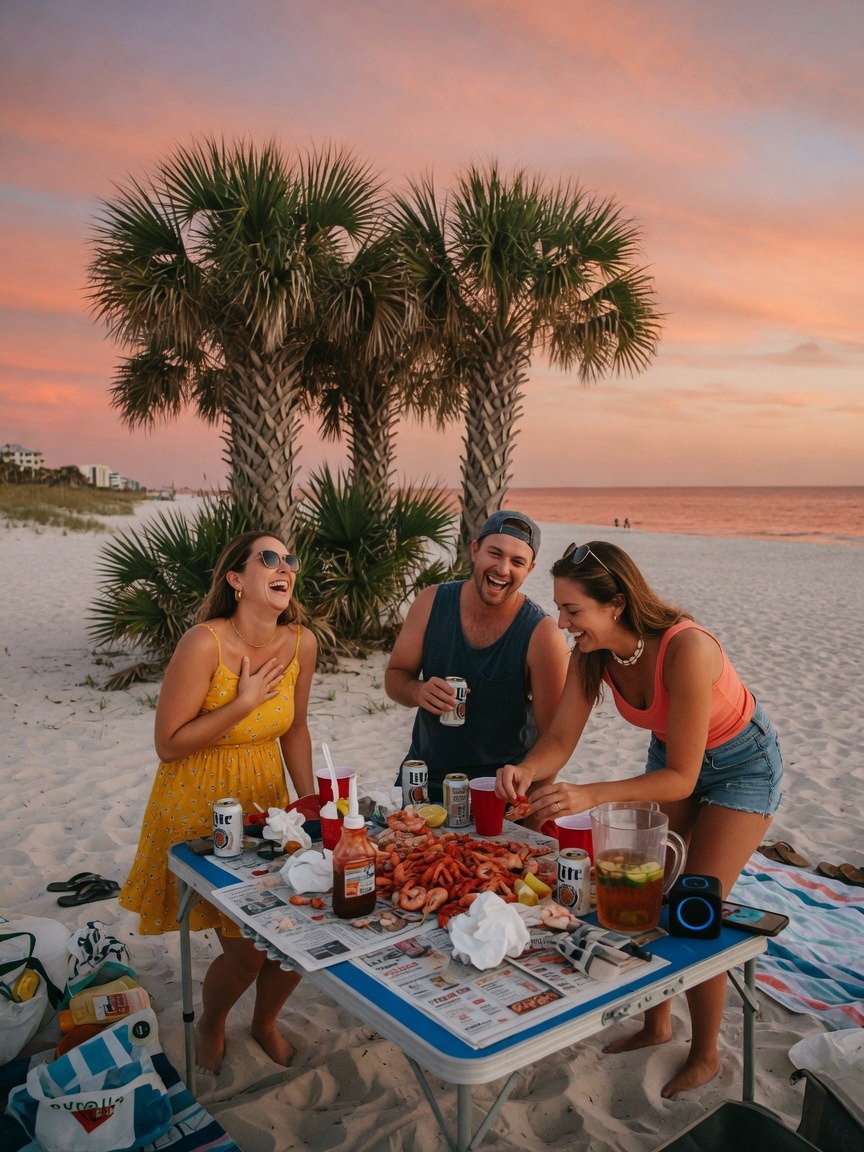
Fried has its place too — specifically, at a no-nonsense lunch spot where you’re eating at a picnic table and dripping cocktail sauce on your shirt. Lean into it. Just know the difference between the occasion and the experience you’re after.
The Sides Tell You Everything About the Kitchen
This is the local’s tell. Before you judge a seafood restaurant, look at the sides. Are they clearly made in-house — real coleslaw with a little tang, hush puppies that are irregular because someone hand-dropped them, a corn that tastes like corn? Or is everything suspiciously uniform, clearly pulled from a Sysco bag? A kitchen that cares about the sides cares about the fish. A kitchen that phones in the coleslaw is phoning in everything.
Check /beach-today/ before you head out — wind and swell affect which boats ran, which affects what’s actually fresh today. That’s a local trick most visitors never think about.
The best meal you’ll have here won’t be the most expensive one or the place with the biggest sign. It’ll be the one where you asked one good question and the kitchen had a real answer.
Wave when you pass — especially if you’ve got hot sauce on your chin. No judgment.
— Chris