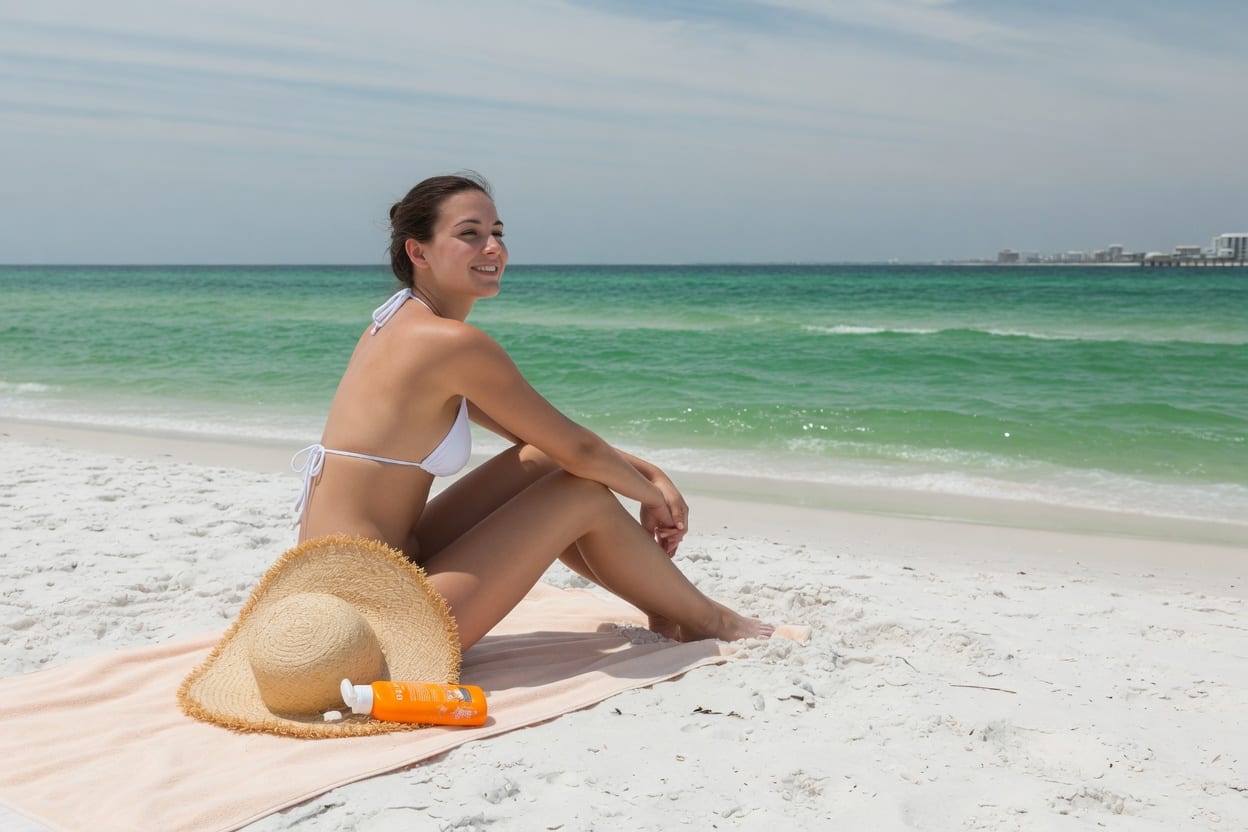
Sand in the Coffee, Vol. 97: the sandbar is not where you left it
Put the phone down and look at the water. Your kid is standing in it waist-deep sixty yards out. You are in it up to your neck twenty yards out. Nobody is drowning and nobody is a wizard. That’s the sandbar, and after a summer of getting asked about it by people holding a beer in one hand and pointing with the other, this is the column.
What it actually is
The Gulf off Perdido Key and Orange Beach doesn’t slope off like a pool. It goes beach, ditch, ridge, then the real drop. The ditch is the trough. The ridge is the bar. Every wave that breaks shoves a little sand into a pile, the pile runs parallel to the beach, and by the end of the summer it’s a shelf you can stand on in water that was over your head twenty yards back.
You can read it from your chair. Put on polarized sunglasses if you own a pair; this is the single best use for them on this coast, and the rest of the time they’re for looking at fish. Shoreline: pale green. Then a darker stripe, which is the trough, because deeper water is darker. Then a lighter stripe, sometimes with a line of white on it, which is the bar. Then the emerald that runs to Mexico. On a day with a little swell, the waves break twice, once out on the bar and once at your feet. On a slick-calm day there’s no white, but the color bands are still there, and they don’t lie.
If you’d rather see it without leaving the couch: on a day with any swell at all, the cam shows two lines of white foam running parallel to the beach. The outer one is the bar.
Why it’s not where it was in July
The bar moves. Small summer waves nudge it toward shore a little at a time. Big swell drags it out and scours the trough deeper. So the spot where you stood in July with the water at your waist may be someplace else in September, and the water between you and it may be a foot deeper than you remember. Nobody moved it on purpose. The Gulf rearranges the furniture every time it gets worked up.
September is when it gets worked up from far away. A storm out in the Atlantic or the far Gulf, nowhere near us, sends long slow swell that arrives here under a blue sky. After any run of a few days with real waves, assume the bottom has been redone and walk in like it’s your first day. It is, in a sense.
The gap is the exit
Rip currents, in one paragraph. Water comes over the bar with every wave. That water has to get back out. It finds the lowest gap in the bar and leaves through it, fast, in a lane a few yards wide. From the sand, a gap looks like the calm spot: a flatter, darker stretch between two patches of whitewater, sometimes with a smear of foam or sand-colored water heading out. The place that looks easiest to swim is often the place the Gulf is using as a drain.
If you’re in one, you’ll know, because the beach is getting smaller and you’re not doing anything. Don’t swim straight at the beach. Float, or swim sideways, parallel to the sand, until the pull quits, then come in with the waves. A rip runs out past the bar and stops. It does not pull you under; it pulls you out, and then it’s over. Wave an arm and yell if you need help. September beaches are quieter, but they’re not empty.
The flags exist for exactly this, and they change during the day. The Florida and Alabama flags are both on /beach-today/. September’s specialty is a yellow flag on a pretty day, and that flag is talking about the bar, not the sky.
The rules of the bar
- Adult goes first. Walk out to the bar before the kids do. You’ll learn how deep the trough is on the way. If it’s over your chest, the kids stay inside until the flag and your judgment agree.
- Kids on the bar, parents in the trough is backwards. Everybody on the bar or everybody in the trough. The trough is where you lose sight of a small head.
- The tide comes in over it. Our tides are small, mostly one high and one low a day, but a foot of tide on a bar is the difference between standing and treading. If you walked out at waist-deep, don’t be surprised to walk back at chest-deep two hours later.
- The trough is where the good stuff lives. Whiting, pompano, the shells that roll in at the tide line. The bar is a nice place to stand and feel like you’re on an island. It’s also where the surf guys are casting past. Give them the room; they’re aiming for the trough on the other side of you. The fishing page has what’s running out there this week.
- A boogie board is a flotation device. Tie the leash on. On the bar it’s a toy. In a rip it’s the thing you hold while you wait for it to quit.
Orange Beach, specifically
East of the state line it’s the same beach, same bar, same rules, until you get to the Pass. Near the Perdido Pass jetties at Alabama Point, there is no bar to trust. The channel is dredged, the current runs in and out of the bay with the tide, and the rocks make their own water. Walk the jetty, watch the dolphins work the outgoing tide, then swim down the beach a good way from the rocks. Cotton Bayou public access is a straightforward stretch of bar and trough, and it has the room now that August’s gone.
The short version
Look for three colors: pale, dark, pale. Dark is the trough. The far pale is the bar. The calm stretch between the whitewater is the drain. Adults out first, kids where an adult can stand, everybody back before the tide takes the bar. Check the flag, then check it again after lunch. And if it looks like your kid is walking on water, they’re not. They’re standing on July, which moved.
— Chris
P.S. If you run a place on the Key or in Orange Beach and it’s already on this site, it’s yours to claim, free, always, no card required: /submit/claim/