The Salt Line, Vol. 85: A Herd That Paid $3.91 a Gallon to Spend Half a Billion Dollars, a County Voting to Rake 'Biological Debris,' and a Scam That Learned Zoning
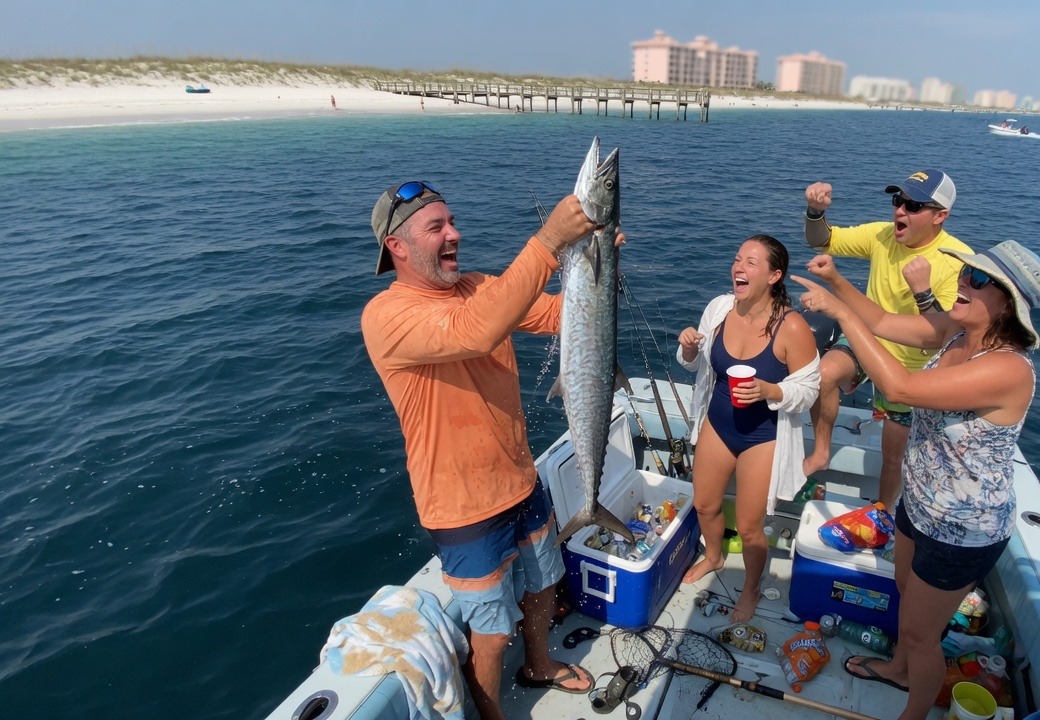
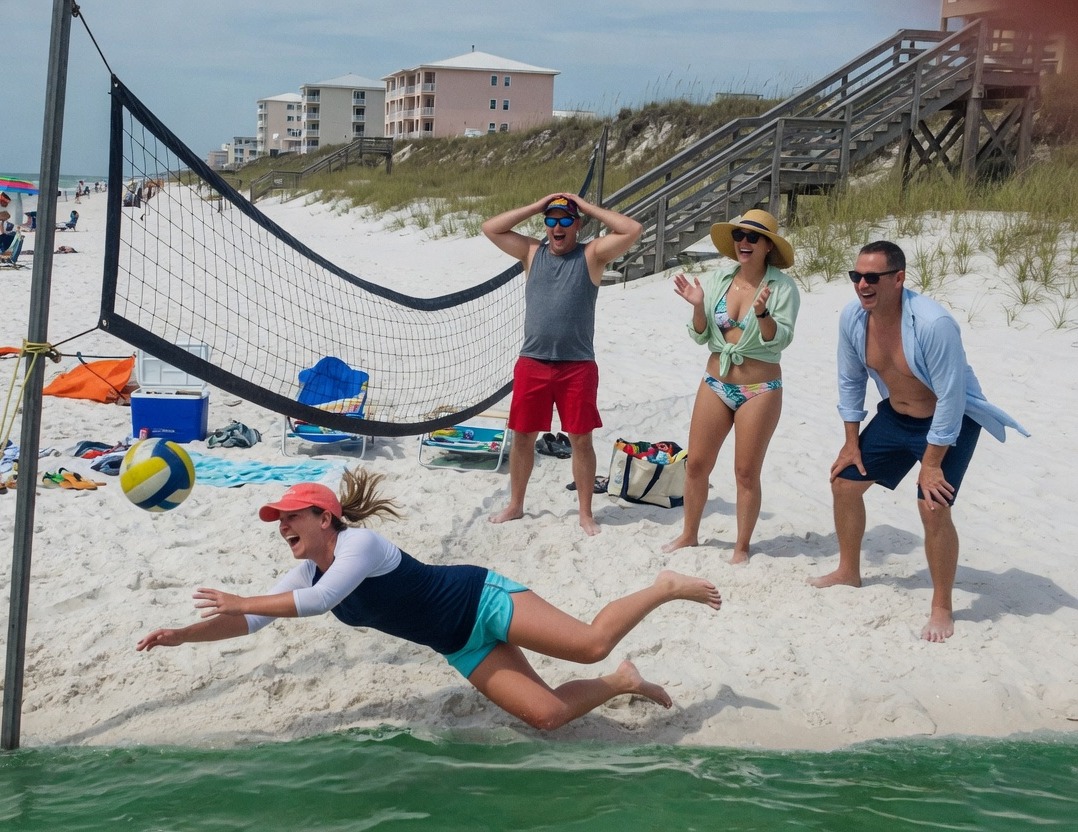
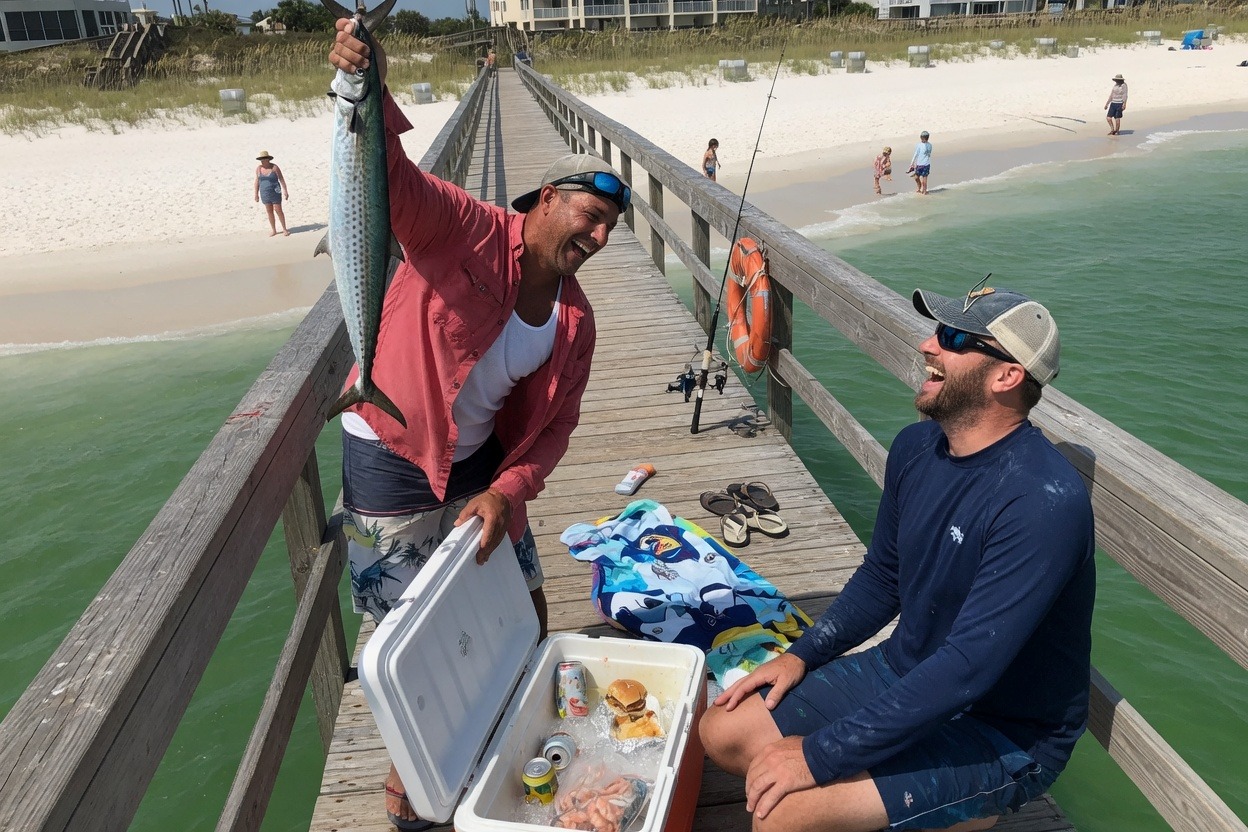
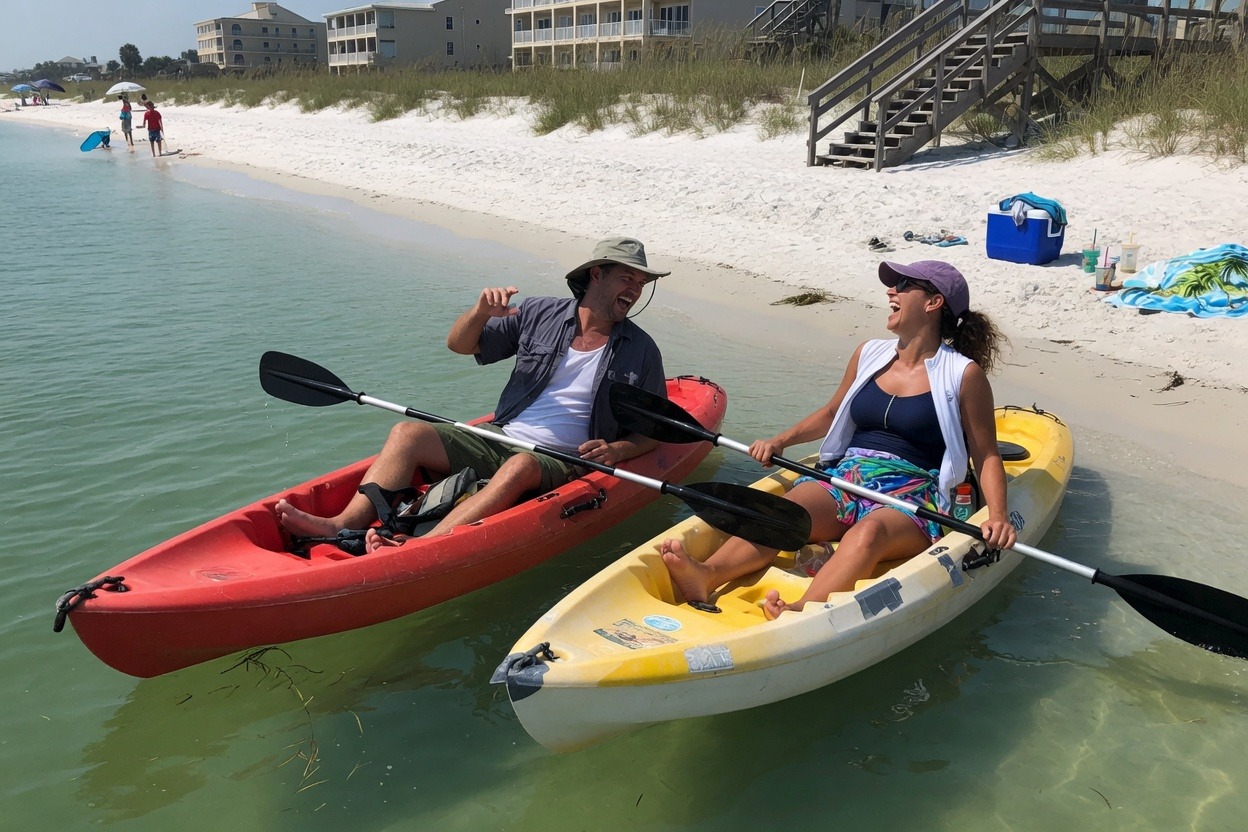
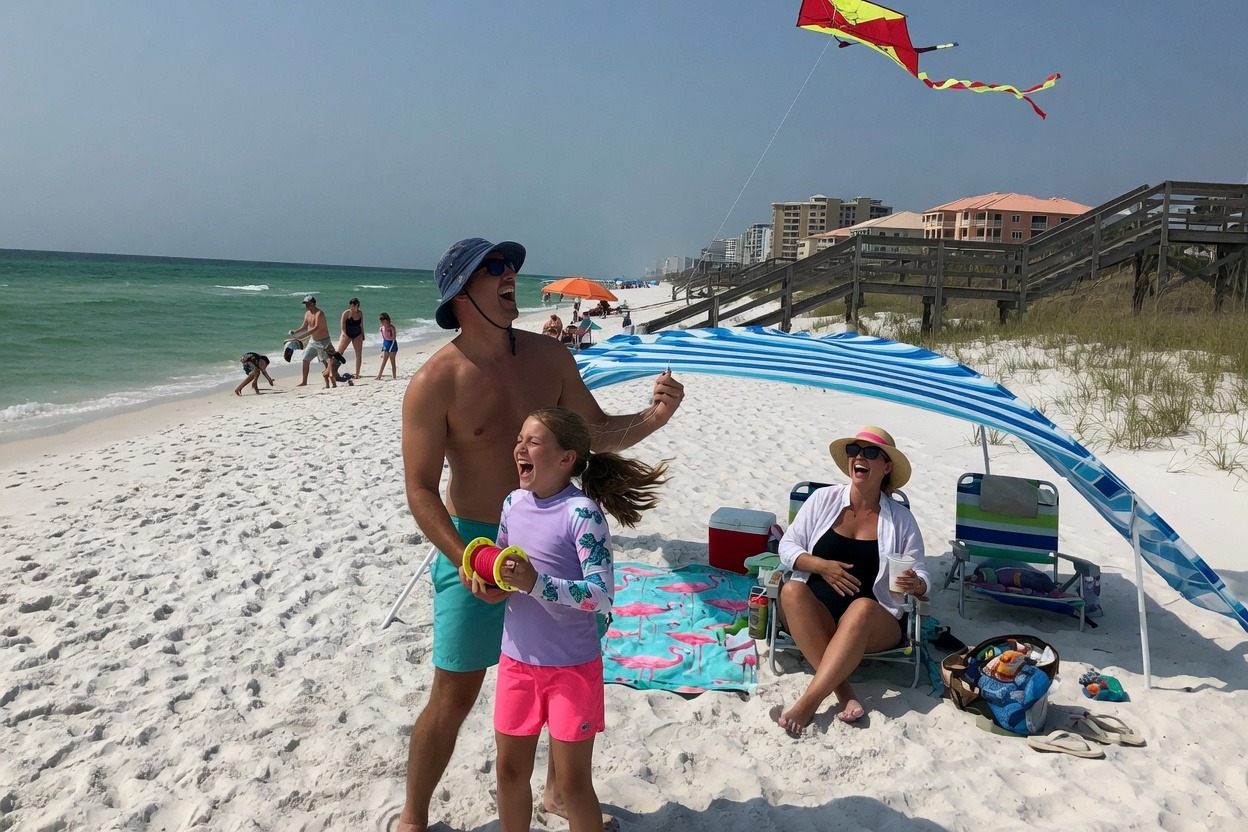
Day 250 on the barrier island. Labor Day. The observer is positioned on a dune at the state line with a thermos and a pair of binoculars that are, for insurance purposes, “for birds.” What follows are notes on the great late-summer migration and the institutions that feed on it.
⛽ The Herd Refuels, and the Watering Hole Has Raised Its Prices
At dawn the migrating pickups gather at the pumps along the highway, engines idling, the alpha in each vehicle staring at the little screen the way our ancestors stared at fire. The number on the screen this Labor Day was $3.91, the Florida average per AAA — up two cents over last week, and up eighty cents over the $3.11 the same herd paid to make the same trip one year ago. Note the behavior: nobody turns around. Not one. The species has evolved a total immunity to the price of getting to the beach. It groans, tops off, and buys a bag of boiled peanuts it did not need. Remember that number, $3.91. The observer has a theory about where the money goes, and it will matter later.
💰 Behold, the Half-Billion-Dollar Footprint
Hear now the saga of the Alabama shore. The new tourism impact report for Gulf Shores and Orange Beach says visitor spending rose by $500 million in 2025 over 2024. Not to five hundred million. By five hundred million. An increase the size of a mid-major athletic budget, generated one Bushwacker and one souvenir hermit crab at a time. The observer, having watched this same herd argue for eleven minutes over whether the condo’s beach-gear closet counts as “included,” is astonished that this is the same species. Orange Beach, for its part, took the news like a town that has been quietly doing this since before the Pass had a bridge: it posted its flag color and went back to work. Half a billion dollars, and the parking at the public accesses is still first-come. Some things money cannot buy, and one of them is a spot at Cotton Bayou at 10 a.m. on a Saturday.
🌿 The County Has Located $100,000 and a Very Careful Noun
Observe the local government in its natural habitat: the agenda item. Escambia County is set to vote this week on accepting a $100,000 state grant to clean up “biological debris” from beaches and waterfronts. The observer would like to draw the reader’s attention to the phrase biological debris, which is government for “the stuff the Gulf leaves on the porch, and we’d rather not say which stuff in the minutes.” Seaweed is biological debris. So is what the jellyfish leave behind, and what the pelicans leave behind, and — after a long Labor Day weekend — arguably the observer. It is a phrase engineered to survive a public-comment period. And to be fair to the county: it is free money, for a real chore, and the only vote in America where “yes” means somebody else has to rake. Approve it. Approve it twice.
🦂 A Predator Evolves: The Zoning Scam
Reader, lean in, because this one is for the second-home crowd. Baldwin County officials are warning that fraudulent emails are going out tied to active Planning Commission cases, several reports so far. Consider the natural history of this. For decades the scam email was a prince, a lottery, a package that could not be delivered. Now it has studied us. It has learned that nothing on this coast produces a faster, more anxious click than the words your case before the Planning Commission, because every property owner in Baldwin County has at least one opinion about a setback and at least one neighbor building something tall. The scam learned zoning. That is how you know it has been here a while. The defense is boring and it works: if an email about your property wants anything from you, call the county at the number you look up yourself, not the one in the email. Then go back to being mad about the neighbor’s roofline, which is at least a real problem.
🤖 The Juveniles Are Issued a Tool
Finally, from the mainland: New York City’s mayor announced a ban on artificial intelligence in schools through eighth grade, and in response Northwest Florida schools and universities have been explaining how they use it “responsibly” in the classroom. The observer records this without comment except to note that “responsibly” is also how every teenager on this coast describes their first jet ski. The Florida approach appears to be: hand the young the thing, watch closely, and hope they learn the difference between a tool and a crutch before it matters. This is also, for the record, how we teach them to drive on Perdido Key Drive. The results are mixed but the survivors are excellent.
End of notes. The observer’s theory, then, on where the half-billion dollars went: at $3.91 a gallon, a fair amount of it never made it past the pump, and the rest is in a cooler on the sandbar, where it will be gone by two. The herd goes north this afternoon, the water goes slick calm and warm the way it only does in September, and if you don’t believe me the cam is watching the whole migration in real time at /live-cam/ — the only nature documentary on this coast with no narrator and better lighting.
— Chris
P.S. Know a restaurant, charter, shop, or event we’re missing? Add it — free, Florida side or Alabama side: /submit/